Statewide
Oregon Reptiles and Amphibians by Month
Every reptile and amphibian with enough records anywhere in Oregon, counted from observations inside the state line. Seasons can differ a lot across the state, so for a closer match, pick your ecoregion on the Oregon page.
43 species1 venomous
Peak and shoulder ratings are rough guidance, not a schedule. Weather, elevation and the year can shift any species by weeks.
Rare and protected species are left off on purpose. Look, don't take, and never handle a venomous snake.
Species out in Oregon, by group and month
| Group | ||||||||||||
|---|---|---|---|---|---|---|---|---|---|---|---|---|
| Snakes | 3 | 5 | 8 | 10 | 10 | 10 | 9 | 9 | 9 | 8 | 4 | 2 |
| Lizards | 2 | 5 | 5 | 11 | 11 | 11 | 11 | 10 | 9 | 6 | 3 | 1 |
| Turtles | 1 | 1 | 1 | 1 | 1 | 1 | 1 | 1 | 1 | 1 | 1 | |
| Frogs and Toads | 4 | 3 | 4 | 4 | 7 | 8 | 8 | 8 | 8 | 7 | 4 | 4 |
| Salamanders | 11 | 13 | 13 | 13 | 13 | 8 | 3 | 5 | 10 | 11 | 13 | 12 |
Numbers = species active that month (at peak or just starting / winding down).
Keep Herp Calendar free
Hi, I'm Nick. I built Herp Calendar on my own and I keep it free, with no ads. If it has helped you find a herp this season, a small tip goes straight into the hosting and the data work. Only if you can spare it. Either way, I'm glad you're here.
37 species at peak or shoulder in September
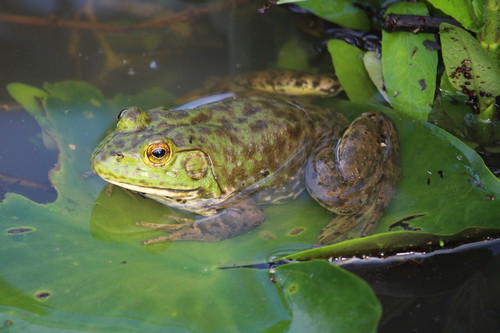 peak
peak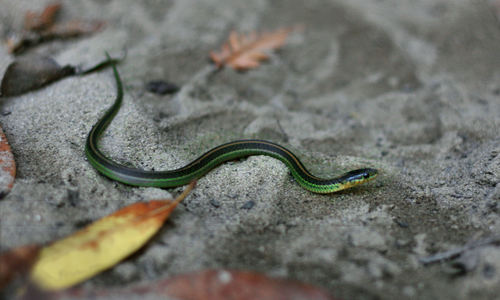 peak
peak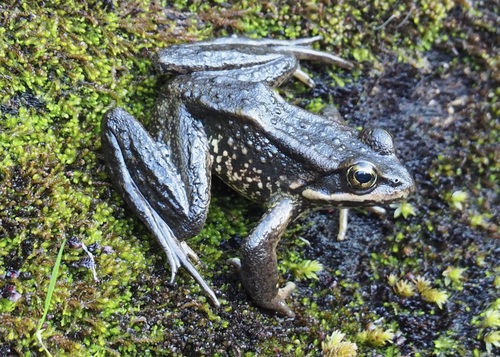 peak
peak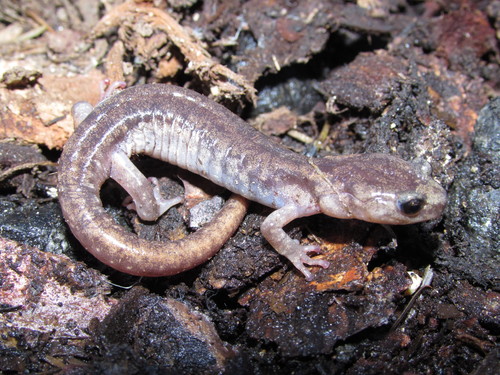 peak
peak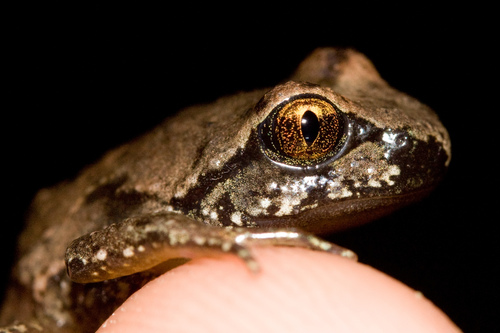 peak
peak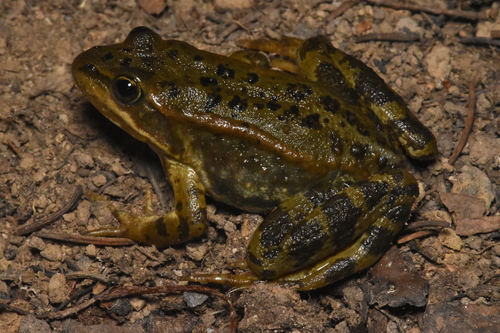 peak
peak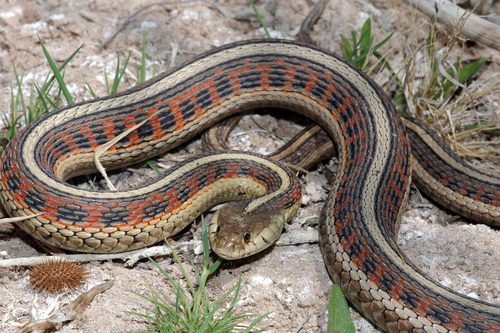 peak
peak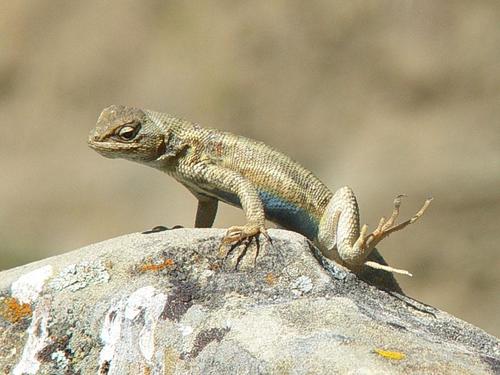 peak
peak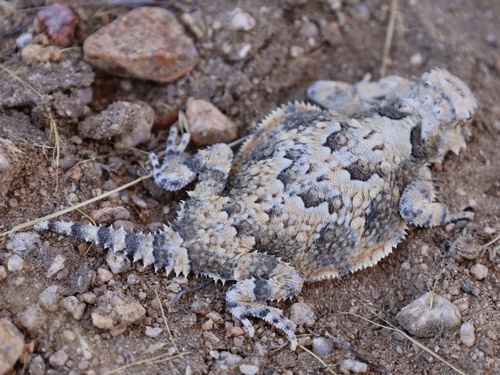 peak
peak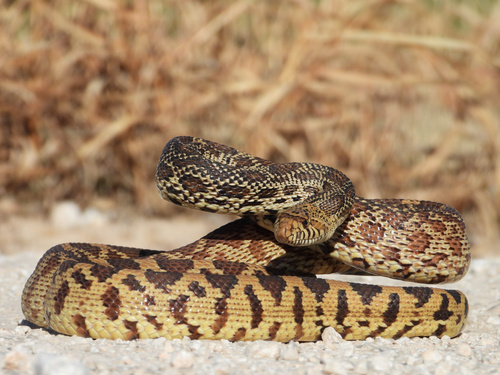 peak
peak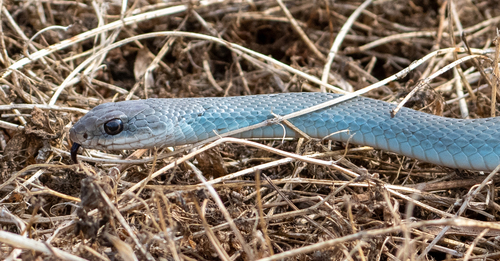 peak
peak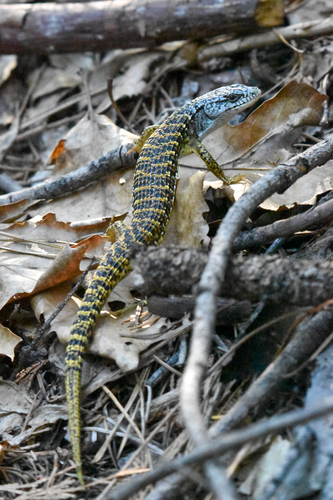 peak
peak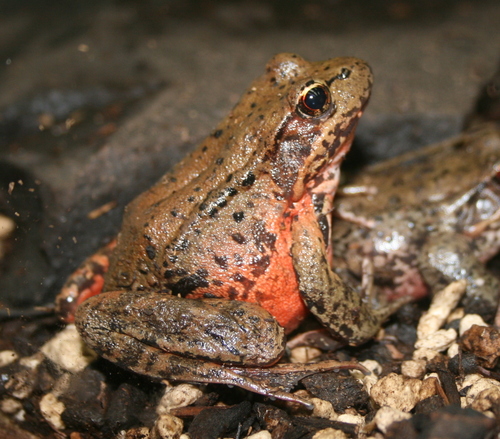 peak
peak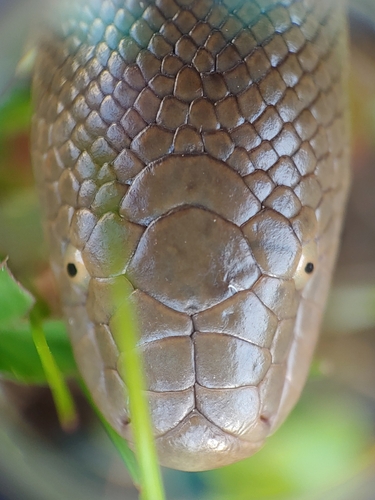 peak
peak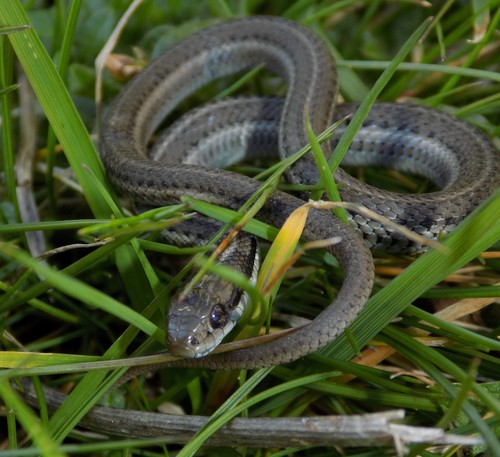 peak
peak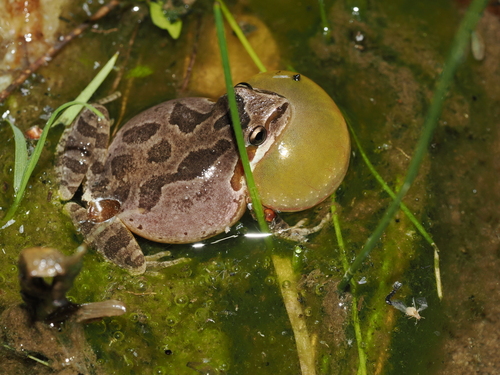 peak
peak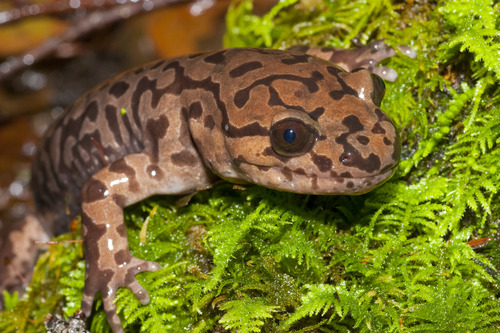 peak
peak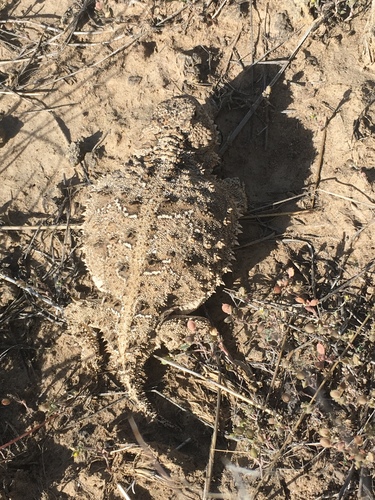 peak
peak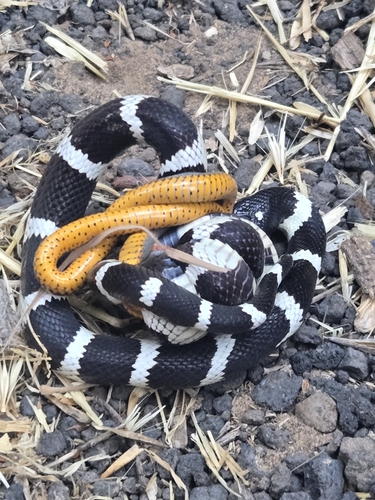 peak
peak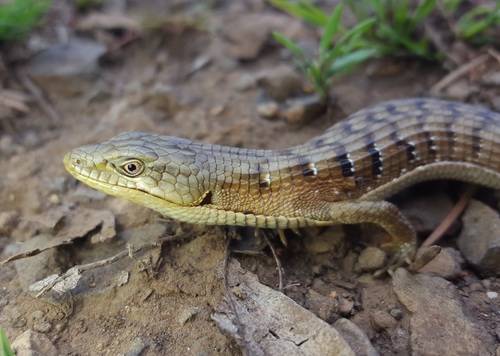 peak
peak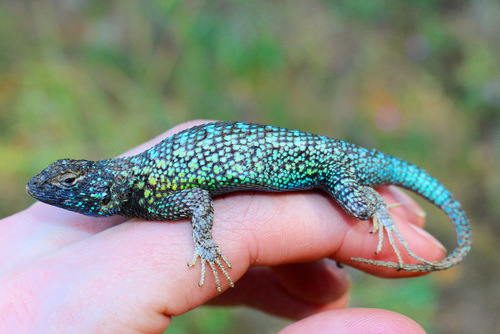 peak
peak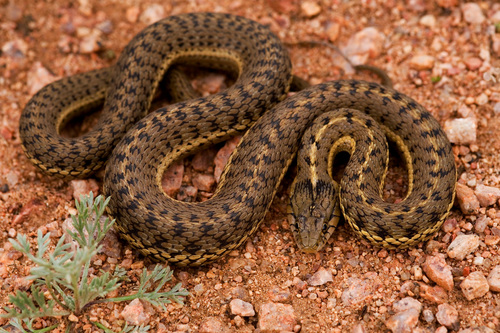 peak
peak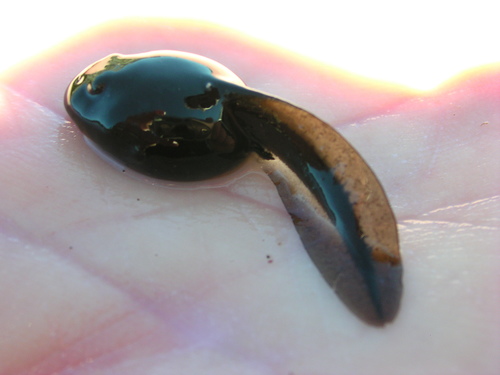 peak
peak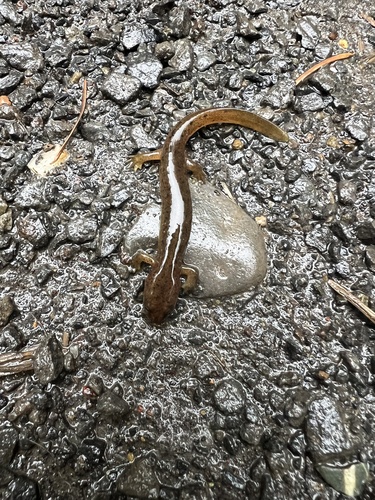 shoulder
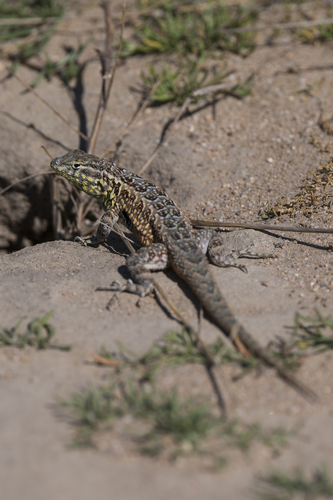 shoulder
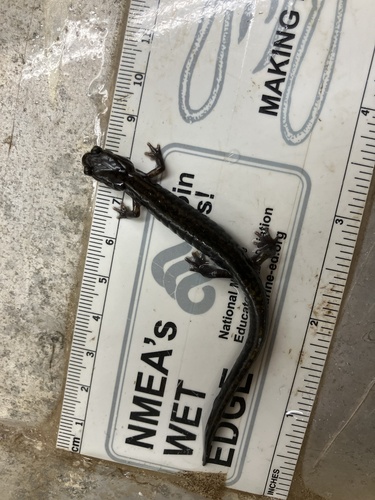 shoulder
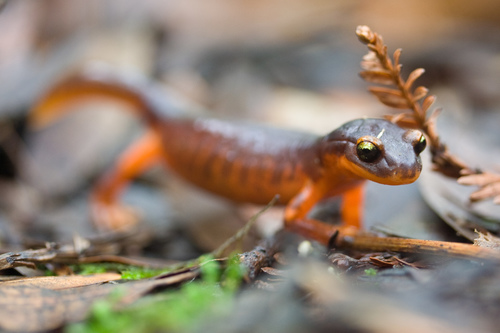 shoulder
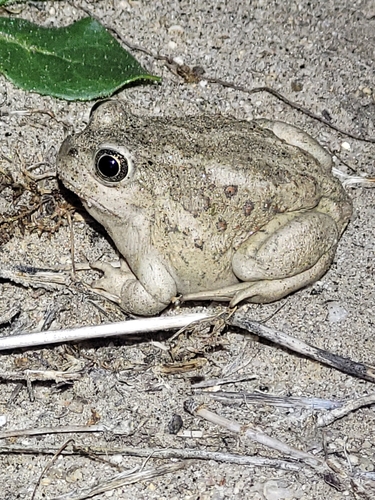 shoulder
 shoulder
 shoulder
 shoulder
 shoulder
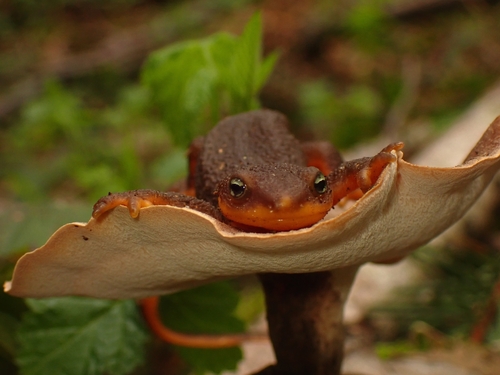 shoulder
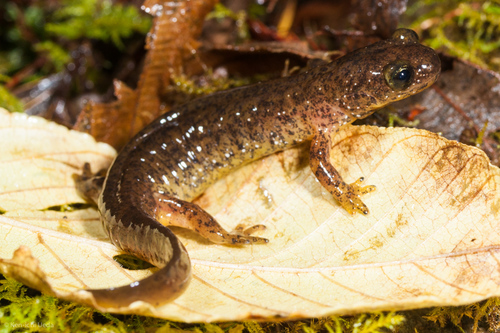 shoulder
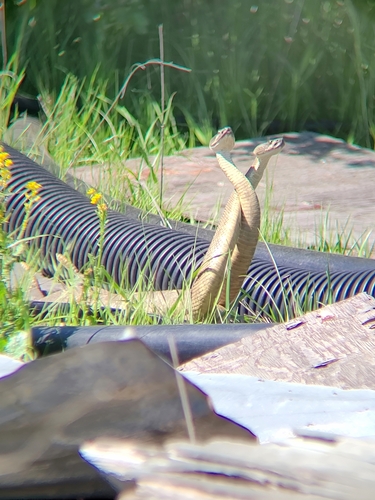 shoulder
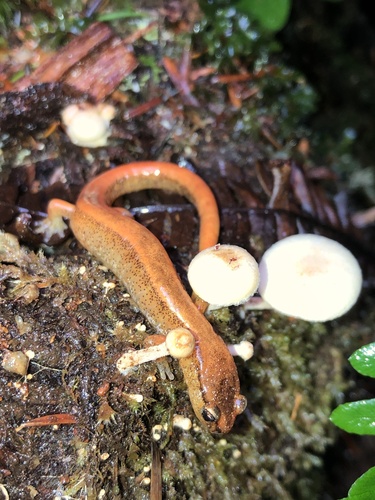 shoulder
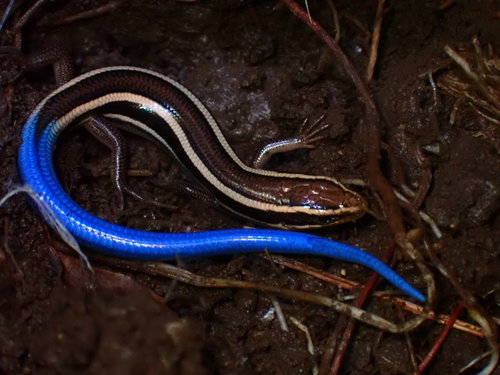 shoulder
About Oregon
When are reptiles and amphibians most active in Oregon?
April is the busiest month in Oregon, with 24 species at peak activity. At least half of the area's species are active from January through November.
What reptiles and amphibians live in Oregon?
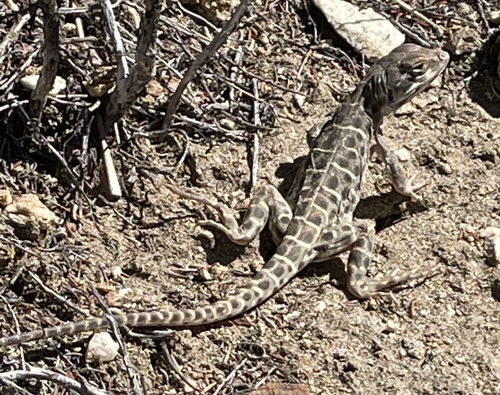
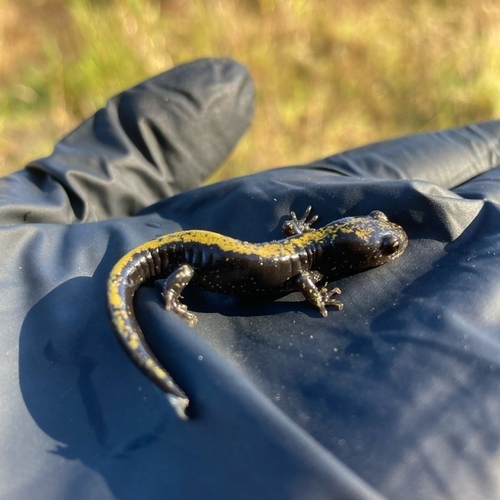
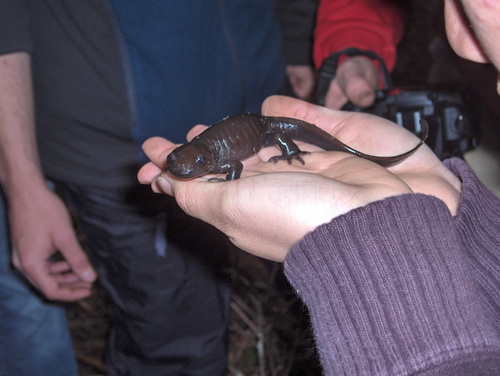
43 species have enough iNaturalist records to show here: 13 salamanders, 11 lizards, 10 snakes, 8 frogs and toads, and 1 turtle. The most-reported are the Pacific Chorus Frog, Western Fence Lizard, and Rough-skinned Newt.
Are there venomous snakes in Oregon?
Yes. The Western Rattlesnake lives here. Don't handle them.
Which reptiles and amphibians in Oregon are introduced?
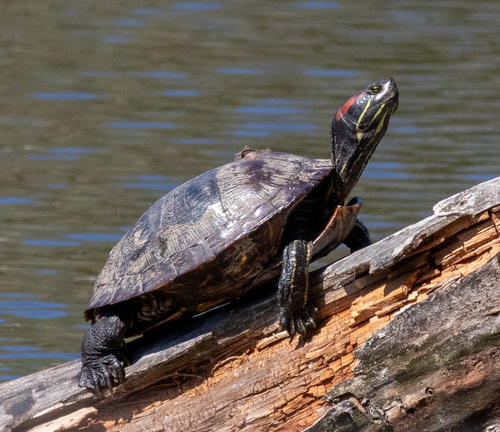
The American Bullfrog and Pond Slider are not native here.
Where does this data come from?
Activity calendars are built from iNaturalist research-grade observations (downloaded through GBIF, September 2026), corrected for how many people are out observing each month. Rare and protected species are left off on purpose.